
AFTER CORONA: how to re-gear your supply chain with EDI
Amid the chaos and carnage, one key message that has emerged is the acute vulnerability of supply chain relationships to seismic shocks. This article looks at what you do in the short and long term.
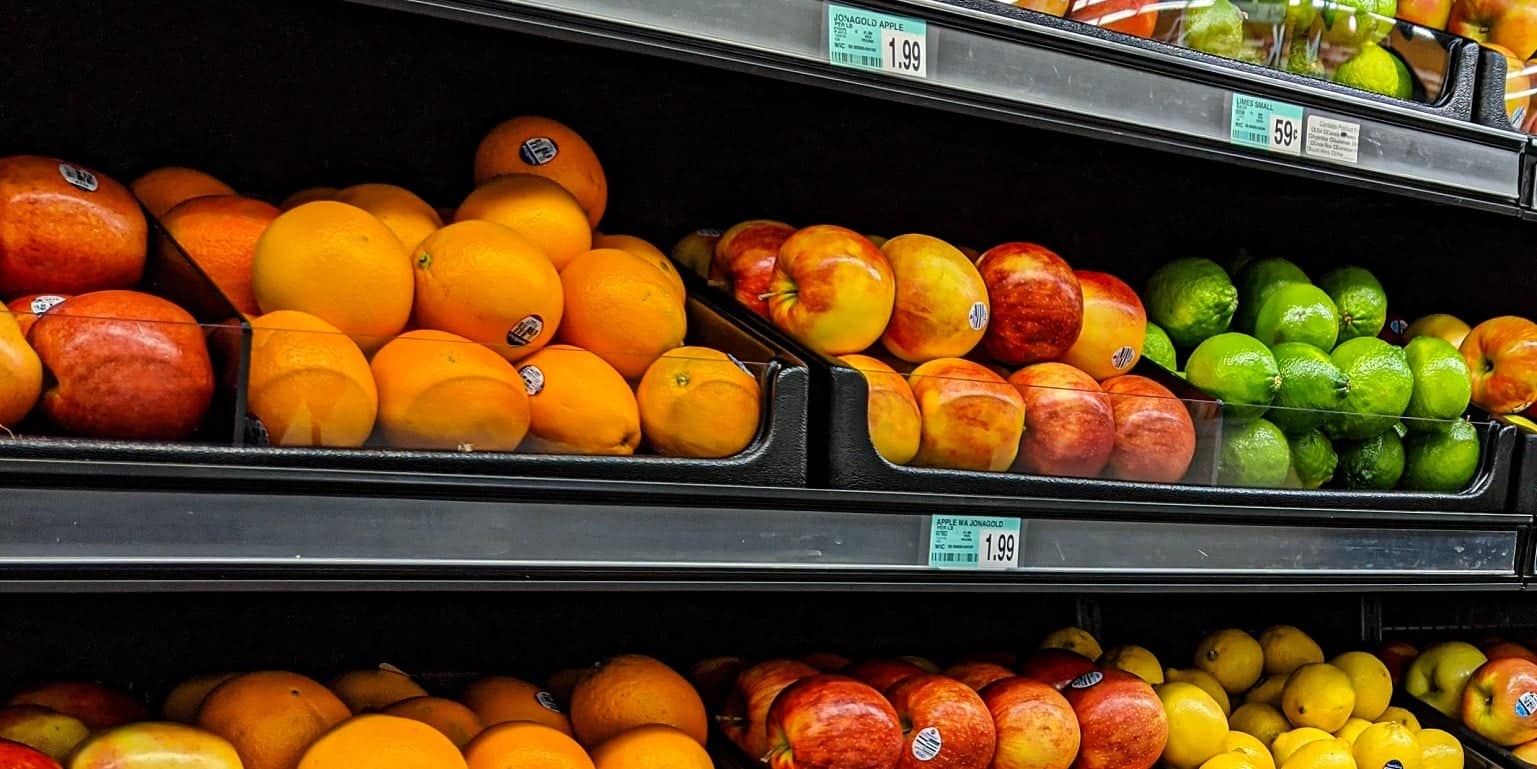
The empty shelves sum it up. The resilience of the complex supply chain management that brings food to our table is at breaking point.
A successful trip to the Co-op, Tesco, Waitrose or Sainsbury’s for basics is suddenly a cause for celebration, no longer a routine task to be taken for granted.
Covid-19 has exposed the acute fragility of the links that bind together trade between producers, suppliers, supermarkets and other food retailers.
Virus impact
Everyone is affected – farmers, factories, hauliers, warehouses, distribution centres, back-office teams and of course the consumer-facing supermarkets, restaurants, cafés, pubs, takeaways and independent shops themselves.
‘Just in time’ and ‘build to order’ processes have served the food and beverage supply chain well up to now, helping retailers save on the costs of storage and warehousing.
As long as you could rely on deliveries, you could keep your retail operation running.
This has now been turned on its head. It is only by treating logistics workers on a par with NHS medics and emergency staff that the government is ensuring any essential supplies get through at all.
Changing habits
So will this unprecedented crisis bring about any lasting change in the food and beverage sector? Will it be a catalyst for a fundamental shift in supply chain behaviour?
After all, for a range of environmental and health reasons, consumers have been pushing for more local and seasonal sourcing.
Perhaps the Covid-19 emergency and any ongoing lack of food availability will prompt more people to rethink their shopping habits. We may simply have to accept we can’t have everything.
We are clearly set for a period of touch and go as global supply chains struggle for continuity and to adapt to measures that must be taken to fight the virus.
Scaling up
At some point in the future, after the pandemic has plateaued and fallen away, all kinds of companies and organisations – including those in the food and beverage sector – will have to look critically at the resilience and complexity of their product sourcing.
One consequence of switching to more local and seasonal food supply will be to reduce our reliance on imports, something that Brexit has already set in train as far as products originating in the EU are concerned.
As a result, food producers here in the UK may need to start thinking about scaling up their output and optimising their supply chain management.
Those companies who do weather the Covid-19 storm and maintain a fighting chance of future prosperity will have to think smarter about re-gearing their supply chains to minimise vulnerability.
Automation
When it comes to the efficient and cost-effective exchange of retail documentation, help will certainly be found in greater take-up of EDI, or electronic data interchange. This is a web solution that enables digitised information to flow easily in a supply chain.
Instead of raising orders and invoices manually, and sending documents by email or post that then have to be keyed into trading network’s systems, EDI automates the whole activity of sharing transaction data for electronic trading.
It can pave the way to universal time and cost savings, eliminating the need for paper documents while improving accuracy.
A cloud-based EDI solution such as Transalis OpenEDI™ is ideal for e-commerce, underpinning the exchange of invoices, orders, advanced shipping notices and other essential documentation.
To discuss your supply chain automation needs and how we can help, talk to Transalis. Contact us.
A market report from Transalis
Download the free market report to find out how some of the UK biggest brands are overcoming dropship challenges to speed up deliveries and optimise their supply chain.
Including a case study from simplehuman
Read next
- May 20, 2026Opening the EDI Black Box: How DataTrack Brings Clarity and Control to EDI MessagesDataTrack gives businesses greaterRead more
- May 15, 2026Why Connected Marketplaces Are the Future of D2C Food & Beverage Sales in the UKMarketplace integration helps D2C foodRead more
- May 7, 2026eInvoicing Solutions: why they are good for businessRead how eInvoicing solutions can boostRead more
