


Related Posts





Categories
For Finance Directors in UK companies with revenues between £5m and £50m, Accounts Payable is often one of the last core finance processes to be modernised. It usually works well enough to keep the business moving, but rarely well enough to be considered efficient, scalable, or strategically valuable.
As organisations grow, invoice volumes increase, supplier bases expand, and approval structures become more complex. What once felt manageable quickly turns into a drain on time, cost, and control. This is why AP invoice automation UK initiatives, particularly those built on eInvoicing, are increasingly viewed not as technology upgrades but as cost reduction and efficiency programmes.
The reality is simple. AP costs do not rise because finance teams lack discipline. They rise because manual and semi-manual processes do not scale.
AP and AR solutions from Transalis
Explore our bundled solutions specifically tailored to automate processes within the AP and AR functions. Use our calculator tools to see how much you could save
1. The hidden cost of AP in the mid-market
In many mid-market finance teams, the true cost of AP is not immediately visible. Processing an invoice is rarely a single step. It involves receiving documents in multiple formats, manually entering or correcting data, validating VAT and totals, matching against purchase orders, chasing approvals, handling supplier queries, and resolving exceptions.
As the business grows, these steps multiply. More cost centres mean more approvers. More suppliers mean more invoice formats and more queries. More systems mean more reconciliation work. The result is a steady increase in cost per invoice, growing month end pressure, and highly skilled finance staff spending time on low value tasks.
This is where the need to reduce AP costs in the UK becomes both operational and commercial.
2. Why eInvoicing changes the cost equation for Finance Directors
eInvoicing is often misunderstood as simply replacing paper or PDF invoices with digital versions. In reality, its value lies in the structured exchange of invoice data directly into AP and ERP systems. Instead of interpreting documents after they arrive, finance teams receive validated data in a consistent format.
For Finance Directors, this distinction matters. Cost reduction in AP does not come from faster scanning. It comes from fewer errors, fewer exceptions, and fewer manual interventions across the entire invoice lifecycle.
When invoice data is structured and validated at the point of submission, many downstream problems simply never occur. How many times have you heard, sorry I must have ‘mistyped’ that, avoid the headaches and finger pointing through linked AP Automation.
3. Reducing manual effort at scale for your Accounts Payable Team
One of the most immediate benefits of eInvoicing is the reduction in manual handling. Traditional AP processes require invoices to be touched multiple times by different people. Data is keyed, checked, corrected, rechecked, and often queried with suppliers.
With eInvoicing, invoice data arrives complete, accurate, and consistent. This significantly reduces the time spent on data entry and correction. More importantly, it reduces the number of times an invoice needs to be touched at all.
Over hundreds or thousands of invoices per month, this translates directly into lower processing costs and higher productivity within the finance team.
4. Prevent Invoice Errors at the Source with eInvoicing Automation
Exceptions are the real cost driver in AP. Missing purchase order numbers, incorrect VAT calculations, duplicate invoices, and mismatched values all require manual intervention. Each exception introduces delay, additional communication, and extra effort.
eInvoicing addresses this problem at its source. Validation rules can ensure mandatory fields are present, VAT is calculated correctly, and invoice data aligns with known supplier and purchase order information before the invoice enters the AP workflow.
By preventing errors rather than correcting them, organisations see a material reduction in exception rates. For mid-market companies, this is often the single biggest contributor to eInvoice savings.
5. Faster matching and higher straight-through processing
For businesses with PO-based purchasing, the ability to increase straight-through processing is critical. When invoices match automatically and move through the system without manual intervention, AP costs fall dramatically.
eInvoicing supports this by delivering consistent line level data that aligns with purchase orders. Matching becomes faster and more reliable, approvals move more quickly, and fewer invoices stall in exception queues.
For Finance Directors, this means shorter cycle times, less pressure at month end, and a more predictable AP function. It also means less distractions for you, reducing the ‘Can I just check this with you’ questions from the AP team freeing you up from error checking and small-scale problem solving.
6. Reduced supplier queries and better visibility
Supplier queries are an often overlooked cost. Every call or email asking whether an invoice has been received or when it will be paid consumes finance team time and damages supplier relationships. With eInvoicing and proper connectivity, invoice status updates can be shared automatically with suppliers. Invoices are acknowledged on receipt, progress is visible, and rejections include clear reasons.
This transparency reduces inbound queries and allows AP teams to focus on processing rather than firefighting. Over time, it also encourages better supplier behaviour and higher quality invoice submissions.
7. Improved AP Controls, Compliance, and Audit Readiness with eInvoicing
Cost reduction in AP must never come at the expense of control. In fact, eInvoicing strengthens governance while reducing workload.
Structured invoice data improves auditability, supports consistent VAT treatment, and reduces the risk of duplicate or fraudulent payments. Approval workflows are clearer, more enforceable, and easier to report on.
For Finance Directors, this means lower audit preparation effort, fewer control issues, and greater confidence in the integrity of AP data.
8. Support Business Growth Without Increasing AP Headcount
For companies in the £5m–£50m revenue bracket, growth often exposes the limits of manual AP. Invoice volumes increase faster than finance teams can realistically expand. As costs continue to rise while output expectations grow without corresponding increases in headcount, Finance Directors face a strategic decision: add people, accept delays, or unlock efficiency through smarter use of time and resources.
This is where mid market invoice automation delivers its most strategic value. eInvoicing allows organisations to absorb growth, acquisitions, and new sales channels without a proportional increase in AP headcount. Instead of adding cost, finance teams gain capacity and flexibility.
9. Why Finance Directors Can’t Achieve AP Cost Reduction Without Connectivity
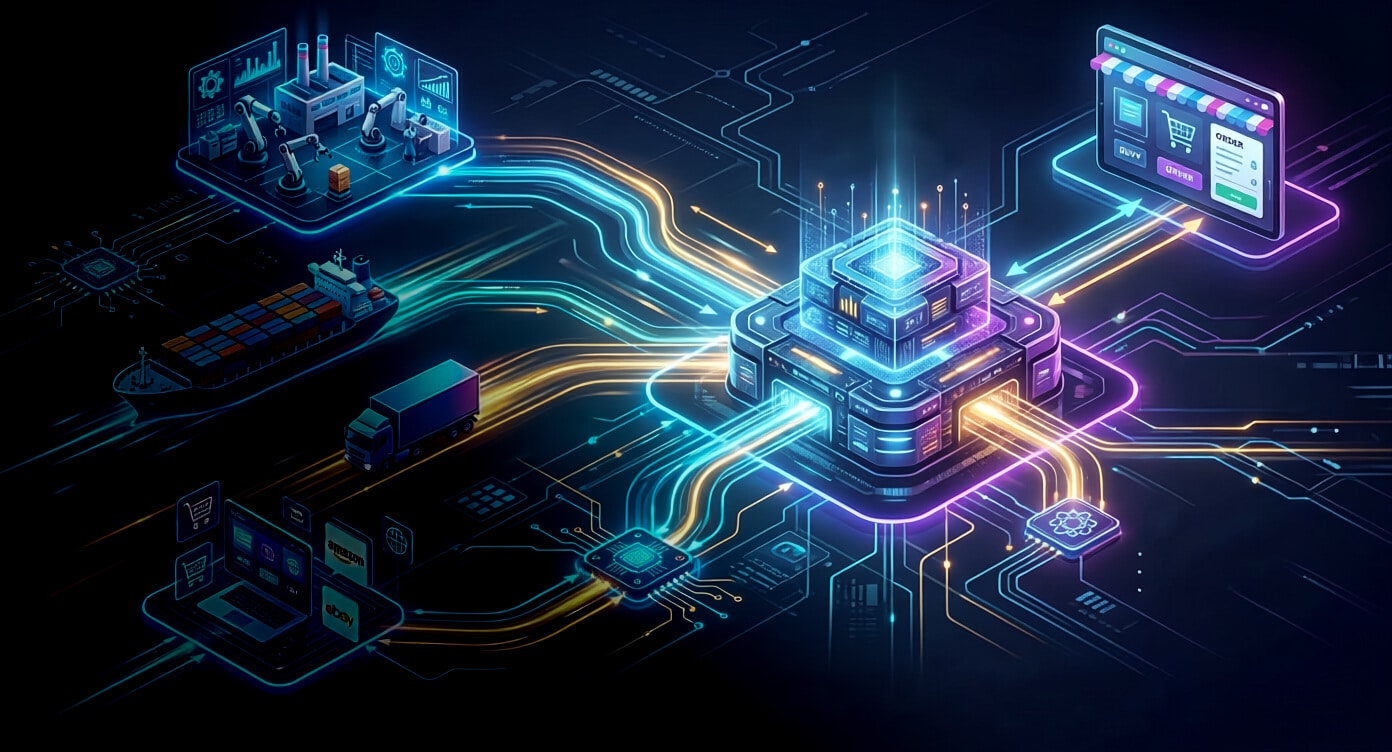
Many invoice automation projects focus on internal workflows but underestimate the complexity of supplier ecosystems. In reality, invoices arrive through multiple channels, including email, portals, EDI, and increasingly, marketplaces.
At Transalis, we specialise in EDI, eInvoicing, and marketplace connectivity because true AP cost reduction requires consistent data across all invoice sources. Without connectivity, automation simply processes inconsistency more quickly.
By enabling structured invoice exchange across suppliers, trading partners, and platforms, organisations achieve sustainable and measurable cost savings.
10. How to Build a Business Case for eInvoicing in Accounts Payable
A strong business case for eInvoicing focuses on commercial outcomes rather than technology features. Finance Directors can build the case by assessing the current cost per invoice, exception rates, invoice cycle times, and supplier query volumes. They could also consider softer but strategic benefits such as improved cash management, better supplier relationships, and stronger controls.
When these factors are quantified, the case for eInvoicing as a cost reduction lever becomes clear. Our technical teams have a wealth materials, real world examples for over 20 years working with UK manufacturers to International retailers, our team will be able to give you the resources and the behind the scenes details for your business case.
The Bottom Line
For UK mid-market organisations, eInvoicing is no longer a future consideration. It is a practical and proven way to reduce AP costs, improve efficiency, and build a finance function that can scale with the business.
The key is to view AP invoice automation UK as a commercial initiative, not an IT project. When implemented with the right connectivity and supplier engagement, the savings extend far beyond invoice processing and into the overall financial performance of the organisation.
If you would like help assessing potential savings or building a Finance Director-ready business case, Transalis can support you in identifying where eInvoicing will deliver the greatest return.
In summary
Switching to eInvoicing is a strategic move in today’s digital and regulatory environment. With Transalis, you gain a partner that ensures your invoicing is efficient, compliant, and cost-effective. As more governments adopt strict regulations like CTC, having a robust eInvoicing system is no longer an option but a necessity. Embrace the benefits of digital invoicing and position your business for success in the digital economy.
eInvoice Software

AR Automation
Scalable digital compliance for outbound invoice processes. Build the ideal solution for your AR team.

AP Automation
Convert & integrate inbound files with 60-80% ROI. Ideal for AP teams manually processing 2,000+ invoices per month.
Want a free consultation to discuss the digital transformation of invoice processing in your business? Book a meeting at a time that suits you, call us on 0845 123 3746 (UK) or +44 1978 369 343 (international callers), or email direct at sales@transalis.com.