


Related Posts




Categories
Poland is adopting tax digitisation with the introduction of mandatory electronic invoicing through its national platform, the Krajowy System e Faktur (KSeF).
Following a voluntary phase which started in 2022 for B2B transactions, the Polish authorities have introduced mandatory B2B invoice reporting via their online system, Krajowy System e-Faktur (KSeF).
Remove the complexities of compliance
Schedule a meeting with our knowledgeable eInvoice compliance team to discuss our packaged automation solutions that simplify compliance for your business

In this blog, we outline the requirements applicable to those operating in Poland and how we can help businesses meet this new eInvoice mandate.
What is KSeF?
Poland has been phasing in eInvoice regulations for several years, similar to many other European countries.
Krajowy System e Faktur (KSeF) is Poland’s national eInvoicing system, operated by the Ministry of Finance and the National Revenue Administration. Under this model, invoices are issued in a structured electronic format and submitted directly into the government platform. Once processed, the invoice becomes the official version for both the supplier and the buyer. The Polish government defines KSeF as a system used for the issuing, receiving, and storage of structured invoices (faktury ustrukturyzowane).
Official overview:
https://ksef.podatki.gov.pl/co-to-jest-ksef/
How the Polish eInvoicing Model Works
Poland is adopting a centralised clearance style framework. This differs from traditional invoicing models where invoices are exchanged directly between trading partners.
In practice, the process operates as follows:
The supplier creates the invoice in the required structured XML format
The invoice is transmitted to the KSeF platform
The tax authority validates and confirms receipt
The invoice is made available to the recipient through KSeF
The invoice is stored centrally in the government system as the legal record
This approach increases transparency and provides the tax administration with near real time access to invoice data. The Ministry also provides for specific operational modes, including online and offline invoicing scenarios. Special invoicing modes guidance:
https://ksef.podatki.gov.pl/informacje-ogolne-ksef-20/tryby-szczegolne-wystawiania-faktur/
When Does Mandatory eInvoicing Start in Poland?
Poland has confirmed that mandatory B2B eInvoicing will be introduced in phases. The key implementation dates are:
1 February 2026
Mandatory for large taxpayers whose sales exceed PLN 200 million (as defined in KSeF programme guidance)1 April 2026
Mandatory for most other VAT registered taxpayers, including SMEs and sole traders1 January 2027
Extension for the smallest taxpayers, including those with invoice documented sales not exceeding PLN 10,000 per month
These dates are confirmed in official KSeF legal timeline publications.
Key dates and legal basis:
https://ksef.podatki.gov.pl/informacje-ogolne-ksef-20/podstawy-prawne-oraz-kluczowe-terminy/
SME and sole trader guidance:
https://ksef.podatki.gov.pl/krok-po-kroku-jdg-i-msp/
What is the Legal Context?
KSeF is being introduced as part of Poland’s broader VAT compliance and invoicing reform programme. Structured invoices submitted through KSeF will become the legally recognised invoice format once the mandate applies. This is a significant compliance requirement for businesses operating within scope. The Ministry of Finance has also published implementing regulations supporting the operational rollout of KSeF.
Regulatory updates from the Ministry of Finance:
https://www.gov.pl/web/finanse/rozporzadzenia-wykonawcze-do-krajowego-systemu-e-faktur
Does Poland Require Additional eReporting?
Invoice generation workflows
ERP and finance system integration
Tax determination and validation processes
Archiving and audit readiness
Buyer and supplier operational alignment
What should businesses do now to keep in line with Poland's eInvoicing mandates?
With mandatory adoption beginning in 2026, impacted organisations should begin readiness planning now.
Key steps include:
Assess whether Polish invoicing falls within your scope
Confirm your taxpayer classification and go live date
Review invoice data requirements and structured format obligations
Plan integration into KSeF submission workflows
Establish processes for invoice receipt and downstream reconciliation
Engage a managed compliance partner to support implementation and ongoing operations
The Polish government also provides official taxpayer tools and platform documentation, but many businesses will require scalable integration and support beyond the basic portal functionality.
Taxpayer application information:
https://ksef.podatki.gov.pl/aplikacja-podatnika-ksef-20/
How Transalis Supports KSeF Compliance
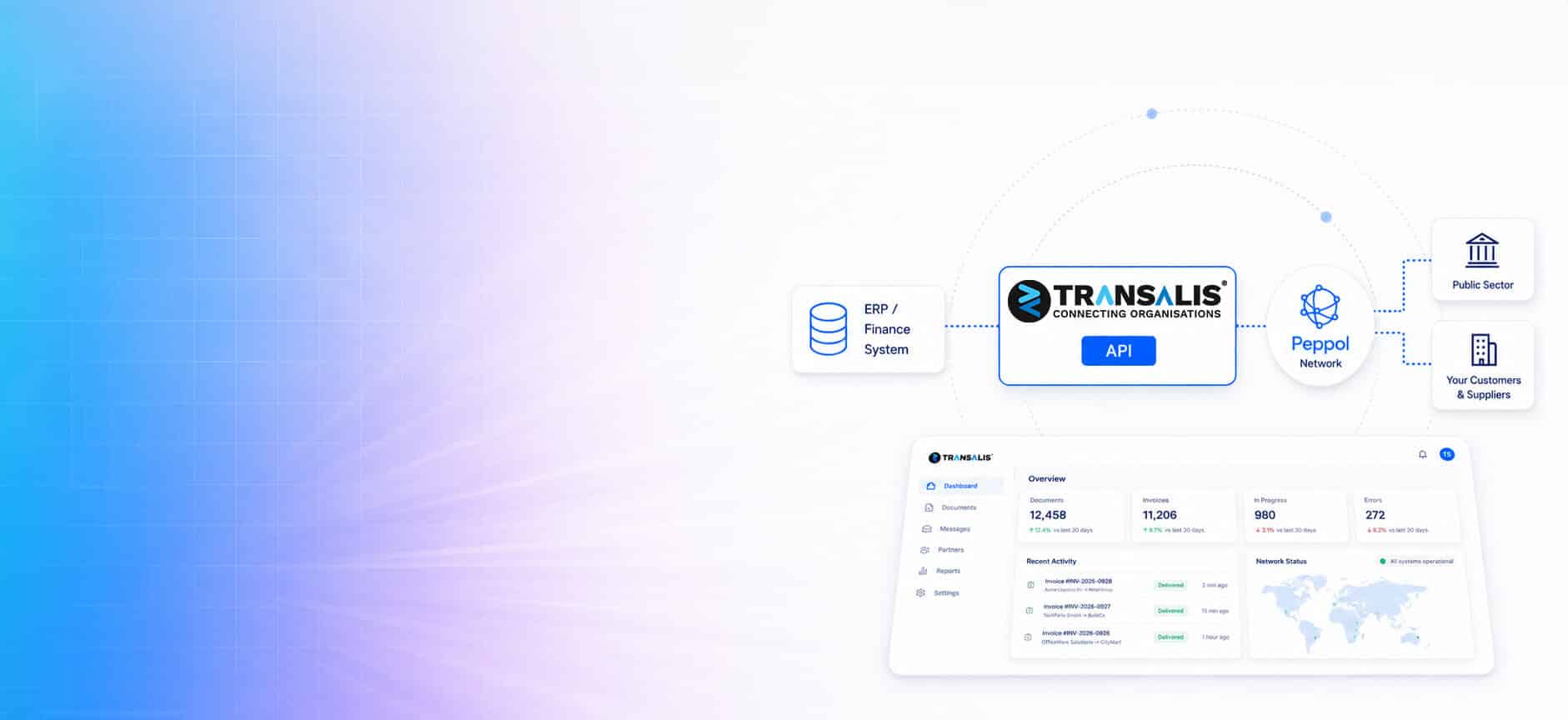
Connect to the KSeF platform through compliant integration
Manage invoice submission, validation, and confirmation handling
Support structured invoice formatting and regulatory alignment
Ensure business continuity as mandates expand across Europe
Create a foundation for broader global eInvoicing compliance programmes
Need KSeF Compliance Support? Transalis Helps You Meet Poland’s eInvoicing Mandate
Poland has adopted regulated digital invoicing, and the system is already live. Transalis helps organisations become fully compliant with the mandate requirements by providing secure, scalable eInvoicing solutions that integrate seamlessly with existing ERP and finance systems. Our expertise ensures smooth onboarding, minimal disruption, and ongoing compliance as regulations evolve, reducing risk while enabling businesses to operate confidently in Poland’s digital tax environment.
If your organisation is not yet compliant with the mandates, Transalis can help you achieve full compliance quickly and efficiently with secure, scalable eInvoicing solutions tailored to your requirements.
eInvoice Software

AR Automation
Scalable digital compliance for outbound invoice processes. Build the ideal solution for your AR team.

AP Automation
Convert & integrate inbound files with 60-80% ROI. Ideal for AP teams manually processing 2,000+ invoices per month.
If you would like to learn more about our compliance solutions that meet the new Poland eInvoice regulations, schedule a meeting with our knowledgeable team, call us via 0845 123 3746 (UK callers) or +44 1978 369 343 (international callers), or email directly at sales@transalis.com.